
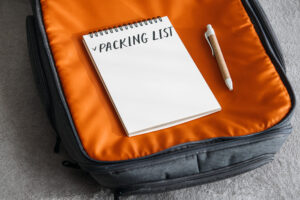
Packing an entire home can feel overwhelming. When you look around and see closets, cabinets, drawers, furniture, decorations, and years’ worth of belongings, it can be difficult to know where to begin.
The solution? Don’t think about packing your entire house at once.
Packing room by room allows you to break a large move into smaller, more manageable tasks. With a plan, the right supplies, and a little organization, you can make packing easier while setting yourself up for a smoother moving day.
Whether you’re moving across Madison or preparing for a longer relocation, use this room-by-room moving checklist to stay organized from the first box to the last.
Before You Pack: Gather Your Moving Supplies
Before tackling individual rooms, make sure you have the supplies you’ll need. Having everything available from the beginning prevents repeated trips to the store and helps you maintain momentum.
Consider gathering:
- Small, medium, and large moving boxes
- Packing tape
- Packing paper
- Bubble wrap or other protective materials
- Permanent markers
- Labels or color-coded stickers
- Heavy-duty garbage bags
- Resealable plastic bags for small parts
- Specialty boxes for dishes, TVs, mirrors, or wardrobes when needed
Create a simple labeling system before you start. Every box should include the room where it belongs and a short description of what’s inside.
Instead of writing only “Kitchen,” for example, label the box “Kitchen – Pots and Pans” or “Kitchen – Everyday Dishes.”
That extra step can save significant time when you’re unpacking.
Start With the Rooms You Use the Least
One of the biggest packing mistakes is starting with the items you use every day. Instead, begin with rooms and belongings you won’t need before moving day.
Guest bedrooms, basements, storage areas, seasonal decorations, books, and rarely used household items are excellent places to start.
As moving day gets closer, gradually work toward the rooms you use most frequently.
If packing still feels like too much to manage alongside work, family, and everything else involved in moving, professional packing services can take a major task off your moving checklist.
You can also learn more about the advantages in “How Professional Packing Services Save Time and Money”.
Kitchen Packing Checklist
The kitchen is often one of the most time-consuming rooms to pack because it contains fragile items, appliances, food, and belongings in a variety of shapes and sizes.
Start by packing items you don’t use regularly, including specialty appliances, serving dishes, extra cookware, and seasonal kitchen items.
As moving day approaches:
- Use smaller, sturdy boxes for dishes and other heavy items.
- Wrap glasses, mugs, plates, and fragile pieces individually.
- Pack plates vertically rather than stacking them flat.
- Use packing paper to fill empty spaces and reduce movement.
- Keep appliance cords secured and clearly labeled.
- Avoid packing liquids that could leak.
- Set aside basic dishes and utensils you’ll need until moving day.
- Dispose of expired food and items you don’t plan to move.
Consider creating one “first night” kitchen box containing essentials such as paper towels, basic utensils, dish soap, coffee supplies, and a few cups or plates.
Living Room Packing Checklist
Living rooms can contain a surprising number of fragile and valuable items, including televisions, electronics, artwork, lamps, and decorative pieces.
Begin with books, decorations, photos, and items you don’t use daily.
Then:
- Photograph electronic connections before disconnecting them.
- Place cords and accessories in labeled bags.
- Wrap artwork and mirrors carefully.
- Protect lamps and lampshades separately.
- Pack books in small boxes to prevent them from becoming too heavy.
- Remove batteries from devices when appropriate.
- Keep remotes with the electronics they belong to.
If furniture needs to be disassembled, place screws, bolts, and other hardware in labeled resealable bags. Attach the bag securely to the corresponding furniture or keep all hardware together in a clearly marked container.
Professional movers can also make handling heavy furniture and bulky household items considerably easier.
Bedroom Packing Checklist
Bedrooms are a great place to declutter while you pack.
Go through closets and drawers before putting everything into boxes. Moving items you no longer wear, need, or want creates unnecessary work and can increase the amount you have to transport.
Sort clothing into categories: keep, donate, sell, or discard.
Then:
- Pack out-of-season clothing first.
- Use wardrobe boxes for hanging clothes when appropriate.
- Keep shoes together and protect nicer pairs.
- Pack jewelry and valuables separately.
- Keep medications and important personal items with you.
- Wash bedding before packing it.
- Set aside clothing for moving day and your first few days in your new home.
Don’t pack everything you’ll need immediately after arriving. A suitcase containing clothing, toiletries, medications, chargers, and other essentials can save you from searching through boxes after a long moving day.
Bathroom Packing Checklist
Bathrooms are usually smaller, but they’re filled with products that can leak, spill, or create unnecessary clutter.
Before packing, check expiration dates on medications, cosmetics, and toiletries. Dispose of anything you no longer need according to appropriate disposal guidelines.
Then:
- Tighten lids and caps.
- Place potentially leaky products in sealed plastic bags.
- Pack towels and linens together.
- Keep daily toiletries accessible until moving day.
- Avoid packing open or leaking containers.
- Keep medications with you rather than placing them on the moving truck.
Prepare a bathroom essentials bag with toilet paper, hand soap, towels, toothbrushes, toothpaste, and shower supplies for your first night.
Home Office Packing Checklist
Home offices often contain important documents and sensitive information, so organization is especially important.
Start by shredding paperwork you no longer need. Organize the documents you’re keeping before packing them.
Make sure to:
- Keep financial, identification, legal, and other critical documents with you.
- Back up important computer files.
- Photograph computer and electronic connections.
- Label cords and accessories.
- Use smaller boxes for books and paperwork.
- Protect computers, monitors, and other electronics appropriately.
Important documents, identification, financial information, and irreplaceable items should travel with you rather than being packed with general household belongings.
Garage, Basement, and Storage Area Packing Checklist
Don’t leave the garage or basement until the night before your move. These areas can take considerably longer to sort and pack than expected.
Start early and use the move as an opportunity to eliminate belongings you haven’t used in years.
Sort through:
- Tools
- Sports equipment
- Holiday decorations
- Lawn and garden equipment
- Storage bins
- Outdoor furniture
- Children’s toys
- Hobby supplies
Moving companies may have restrictions on transporting certain hazardous, flammable, or combustible materials. Ask your mover ahead of time what cannot be placed on the moving truck.
Don’t Forget the “Open First” Boxes
One of the smartest additions to any moving packing checklist is an “Open First” box or group of boxes.
Think about what your family will need during the first 24 hours in the new home.
Consider including:
- Toilet paper
- Paper towels
- Hand soap
- Basic cleaning supplies
- Phone chargers
- Snacks and bottled water
- Coffee supplies
- Basic kitchen utensils
- Towels
- Bedding
- Children’s essentials
- Pet supplies
Clearly mark these boxes so they don’t disappear into a stack of dozens of others.
If you’re moving with children, consider creating a separate first-night box for each child with favorite toys, comfort items, pajamas, and anything else that will help them settle into the new home.
Pet owners can do the same with food, bowls, leashes, medications, and favorite toys. For additional planning ideas, see “Pet-Friendly Moving: Strategies for a Stress-Free Relocation in Madison”.
Create a Labeling System That Makes Unpacking Easier
Good labeling doesn’t just help on moving day. It can make unpacking dramatically easier.
Consider assigning each room a color and placing the corresponding colored label on every box. You can then place matching labels on doors at the new home so movers immediately know where boxes belong.
In addition to the destination room, write a brief description of the contents and indicate whether a box is fragile.
For example:
PRIMARY BEDROOM | Bedding | Open First
or
KITCHEN | Glassware | FRAGILE
The more organized you are while packing, the less sorting you’ll have to do after the move.
Should You Pack Yourself or Hire Professional Packers?
Packing yourself may make sense if you have plenty of time, a smaller household, and people available to help.
For larger households or busy schedules, however, packing can quickly become one of the most demanding parts of moving.
Professional packing services can help ensure belongings are packed efficiently and organized for transportation while giving you more time to focus on everything else involved in your relocation.
Before deciding to handle everything yourself, consider the time, supplies, physical effort, and help you’ll need. Our guide to “The Hidden Cost of a DIY Move Vs. Hiring Professional Movers” explores some of the expenses and considerations homeowners can easily overlook.
Make Moving Easier With Above Average Moving
Packing room by room can transform an overwhelming project into a manageable moving plan. Start early, work through one area at a time, label everything clearly, and keep your most important belongings accessible.
And remember, you don’t have to do it all yourself.
Above Average Moving can help with more than getting your belongings from one location to another. Our packing and unpacking services can help simplify the entire process, from carefully packing your belongings to helping you get settled in your new space.
Whether you’re moving locally in Madison or preparing for your next big relocation, let an experienced moving team handle the heavy lifting.
Contact Above Average Moving to start planning your move today.
Leave a Reply